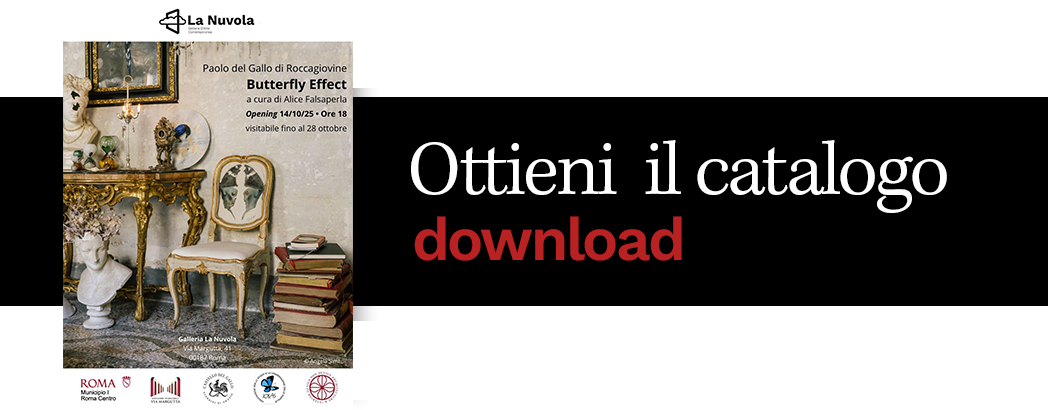

Paolo del Gallo di Roccagiovine
Butterfly Effect
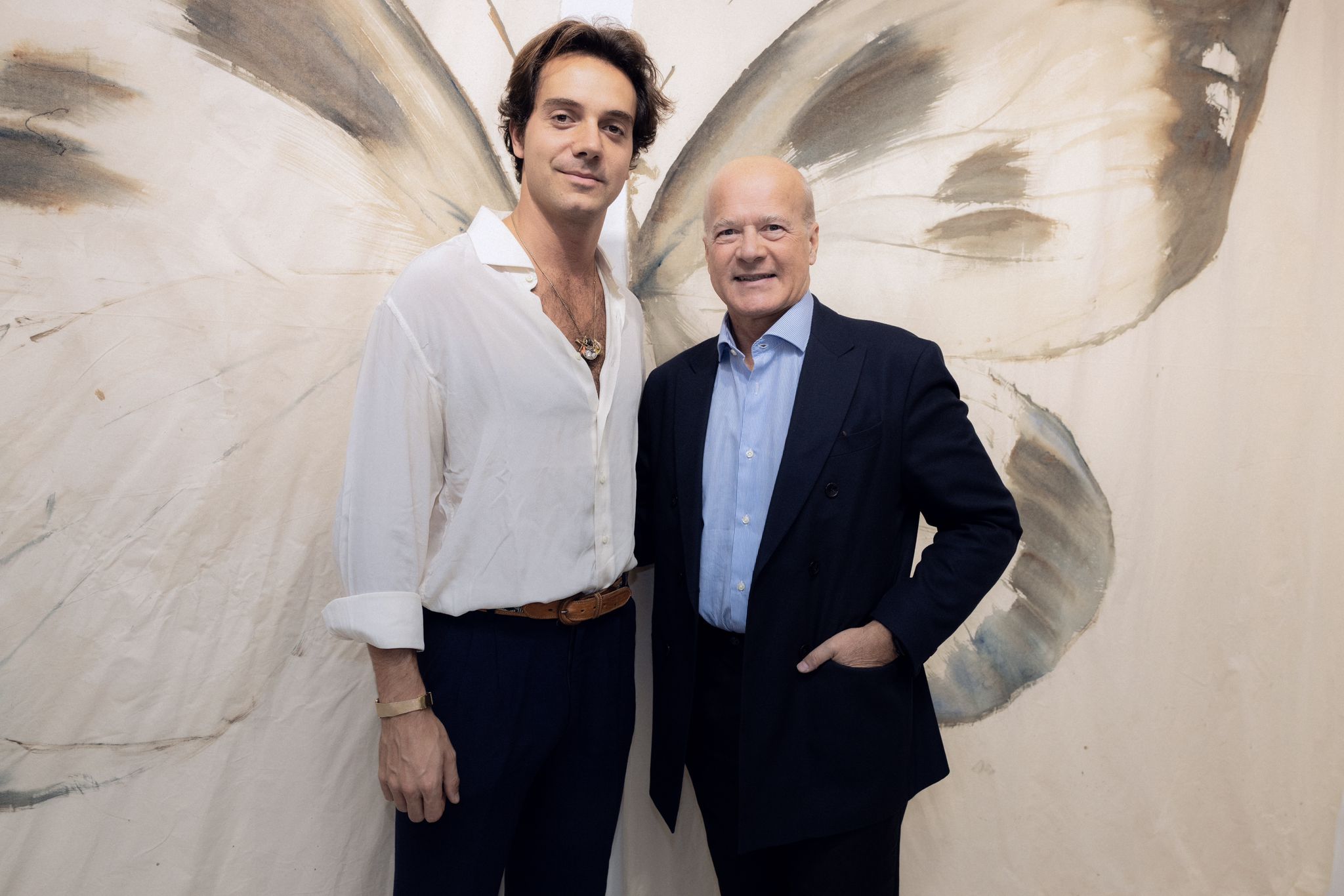
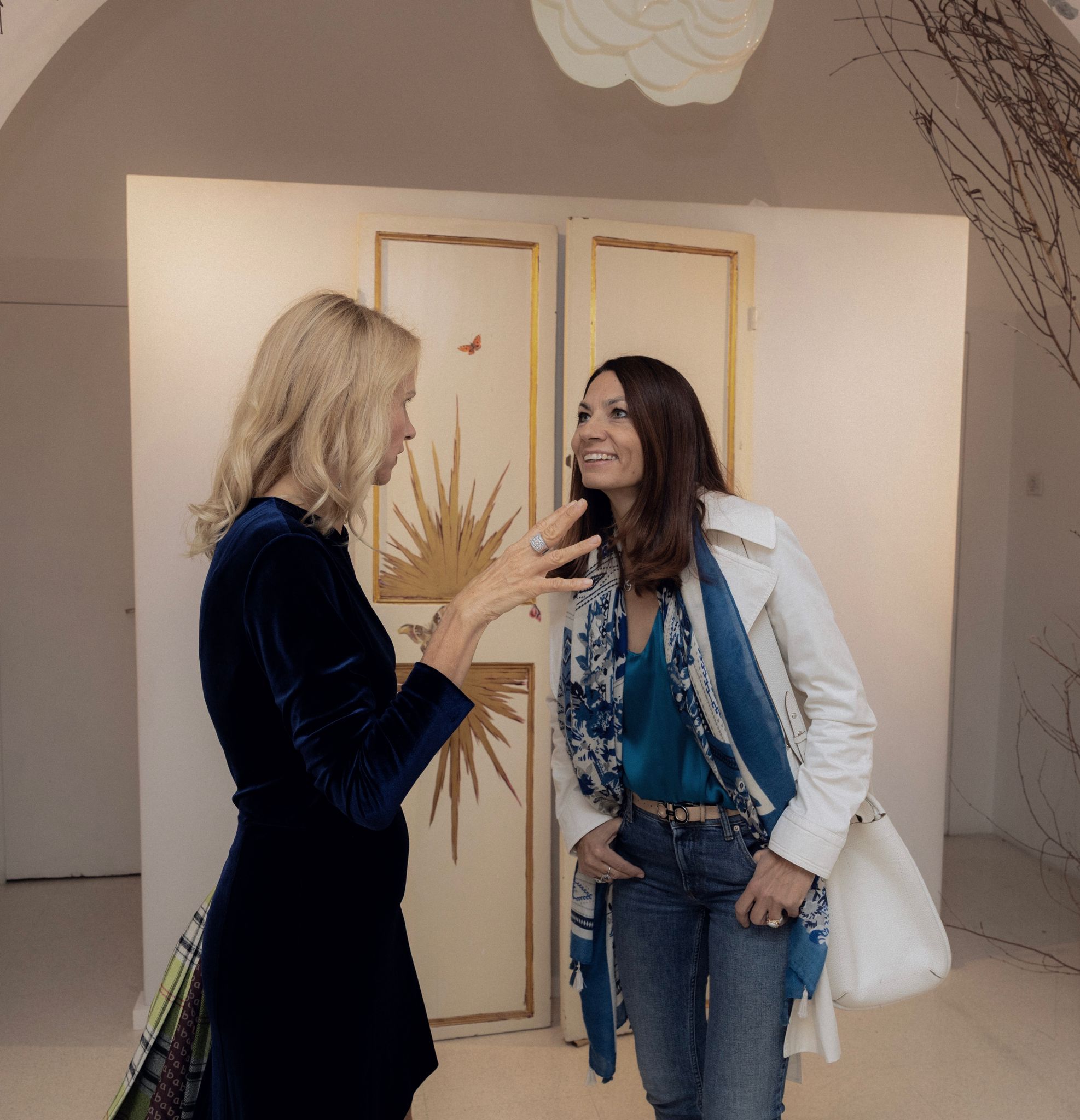
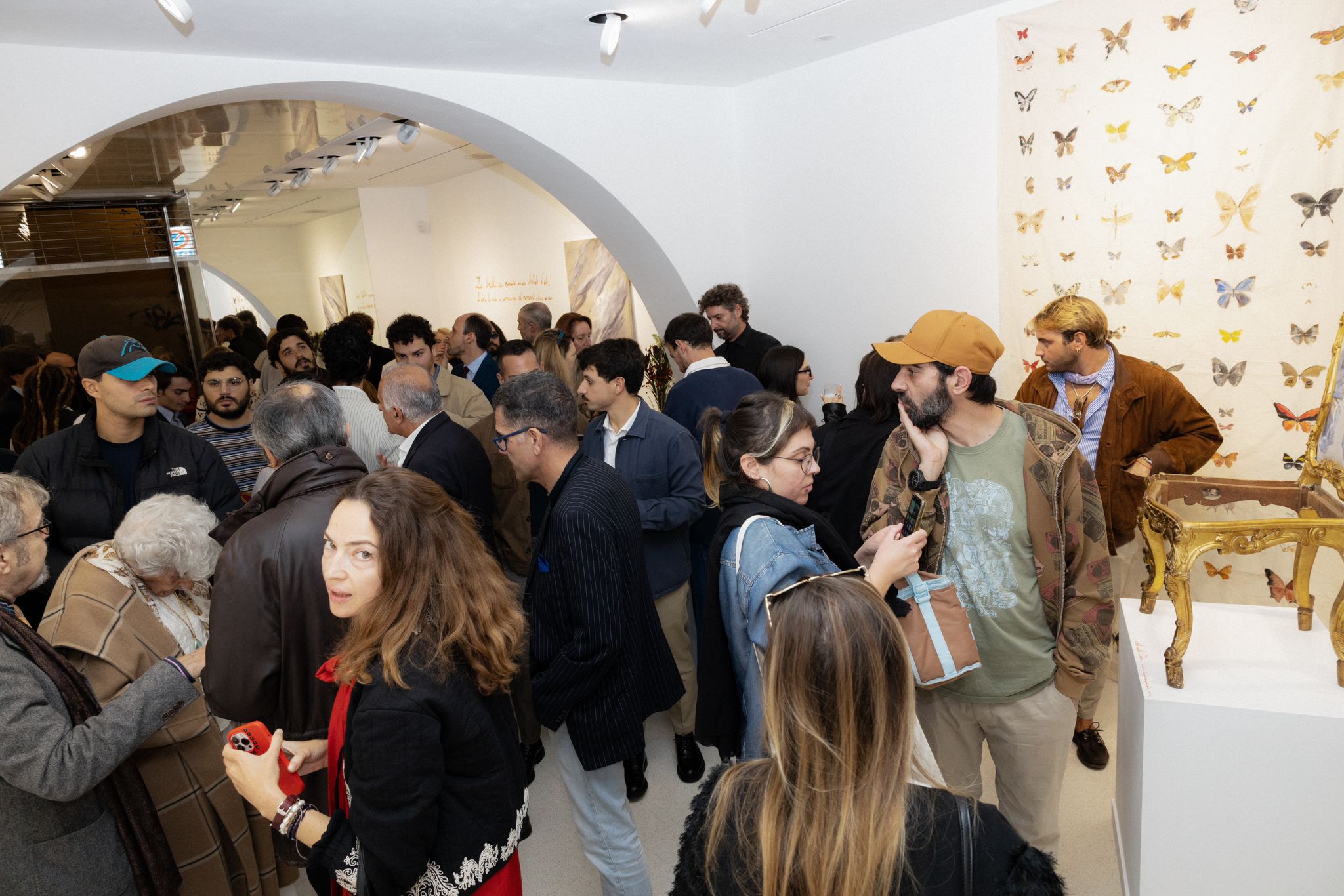
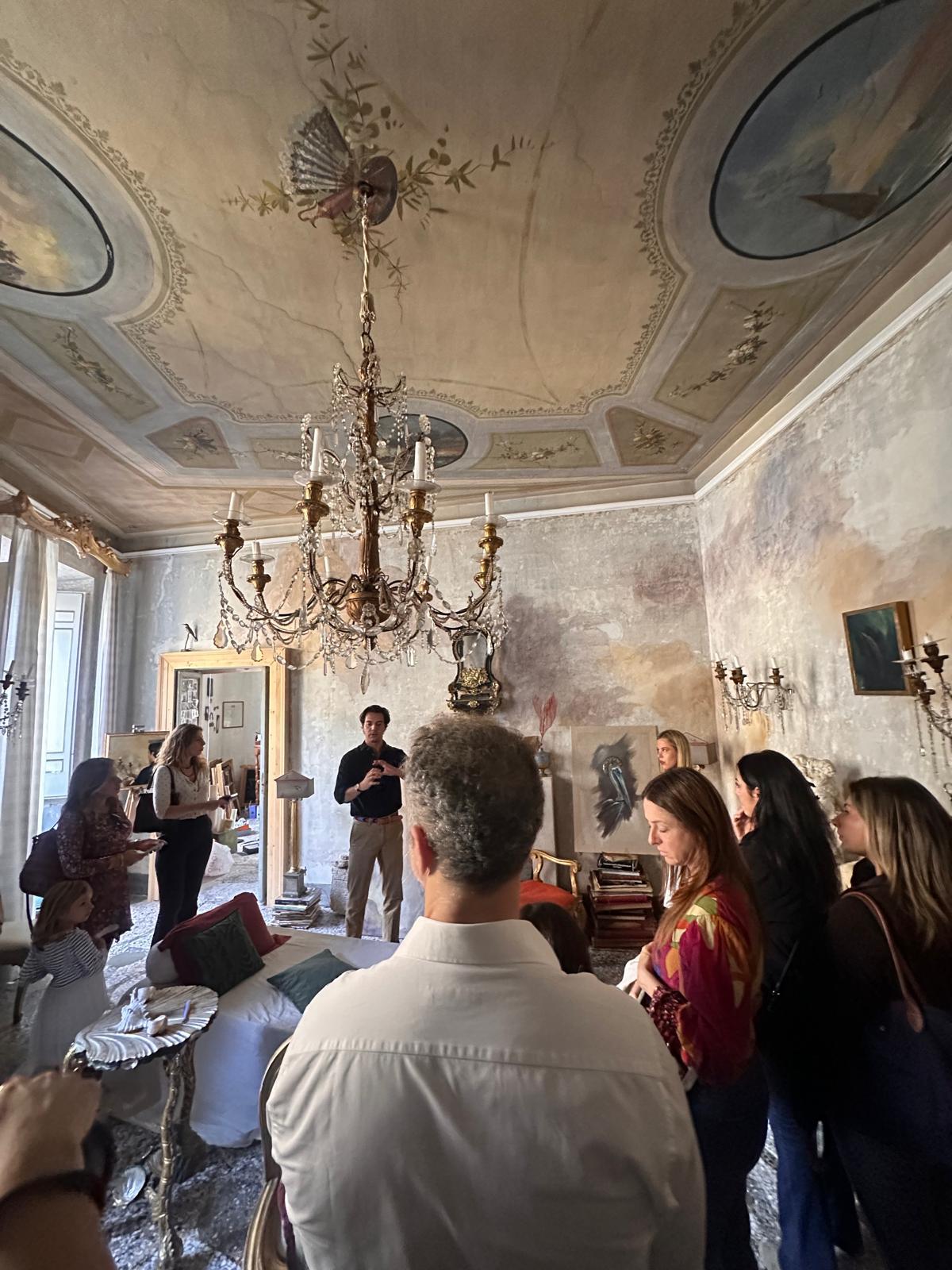
Galleria La Nuvola in Via Margutta is pleased to host, on Tuesday, October 14, 2025 at 6:00 PM, the solo exhibition of Paolo del Gallo di Roccagiovine (Rome, 1995), curated by Alice Falsaperla with a critical essay by Elio Pecora. The event opens on the occasion of the Notte Bianca (White Night), an initiative organized by the Associazione Via Margutta, which sponsors the event alongside the Municipality of Rome. Entitled Butterfly Effect, the exhibition focuses on the theme of the butterfly, a universal symbol of metamorphosis, fragility, and rebirth.
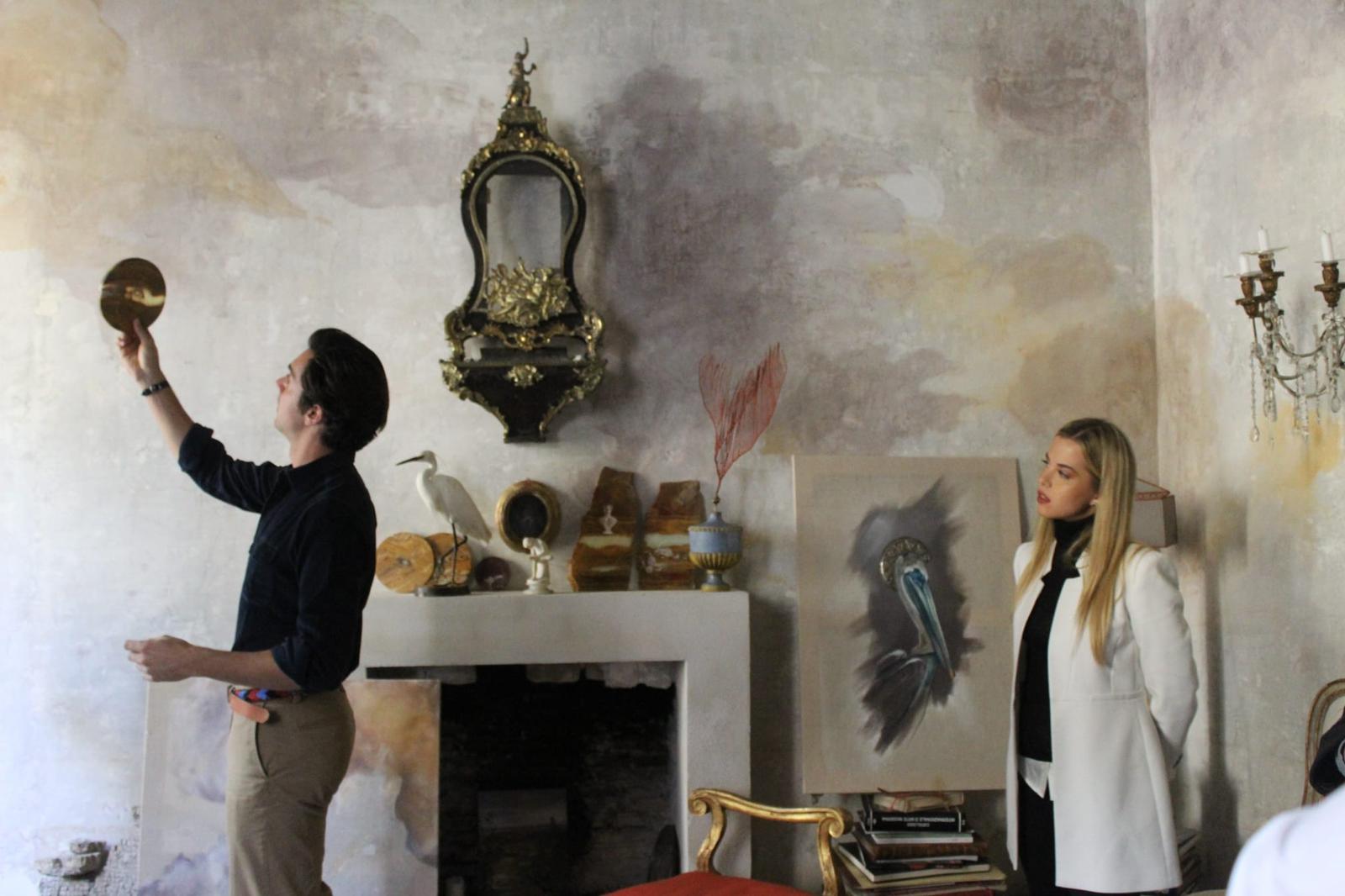
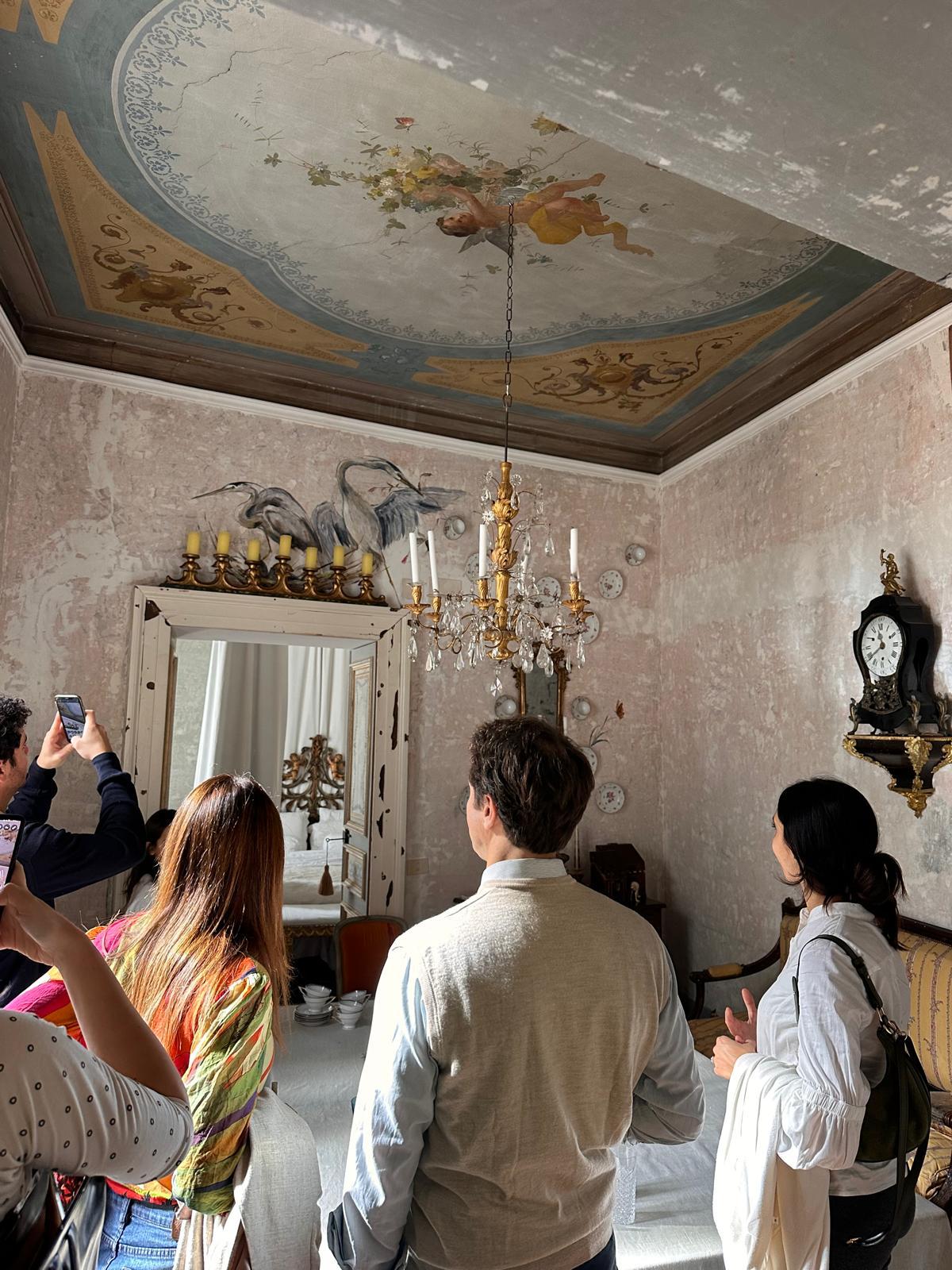
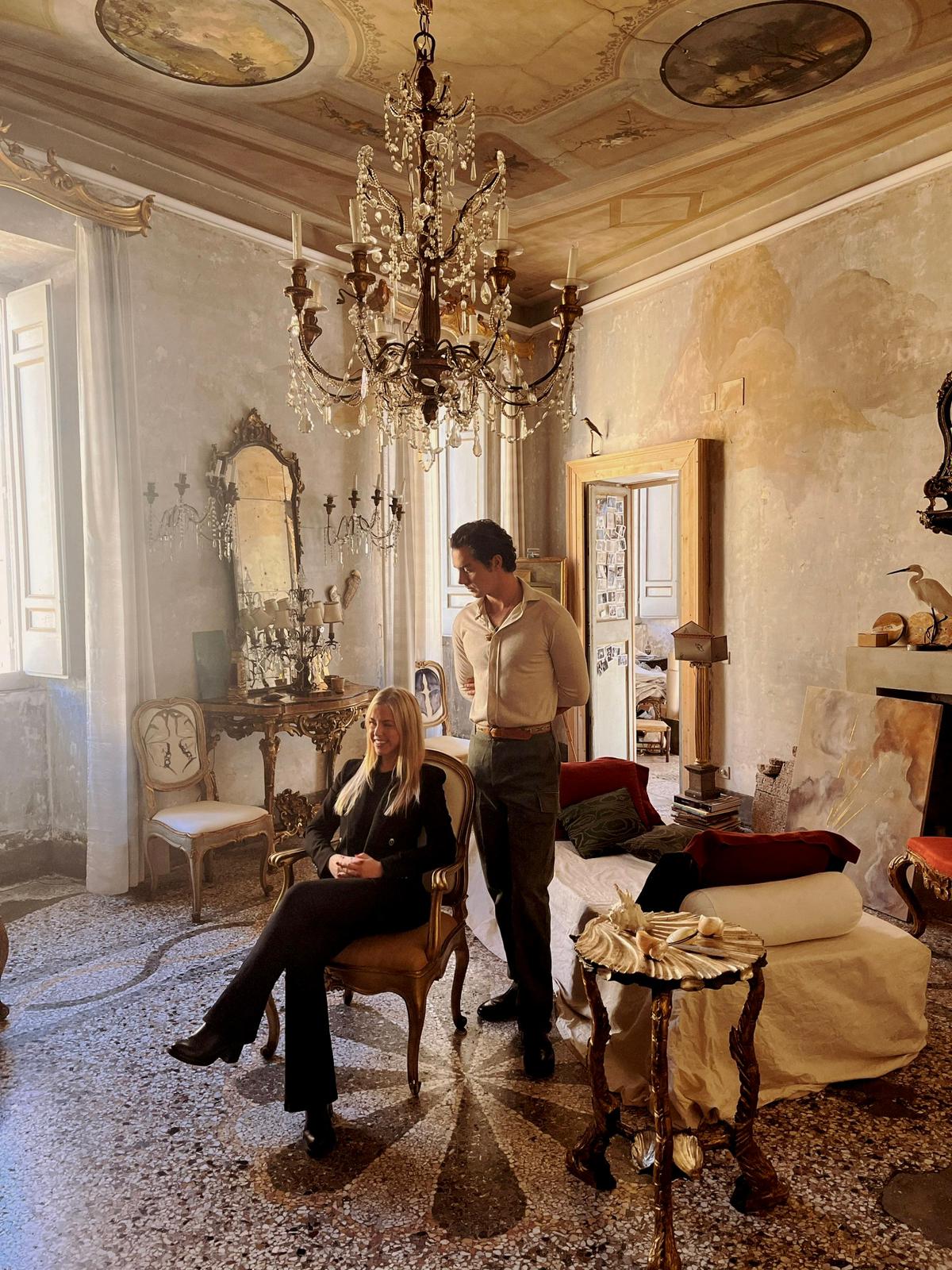
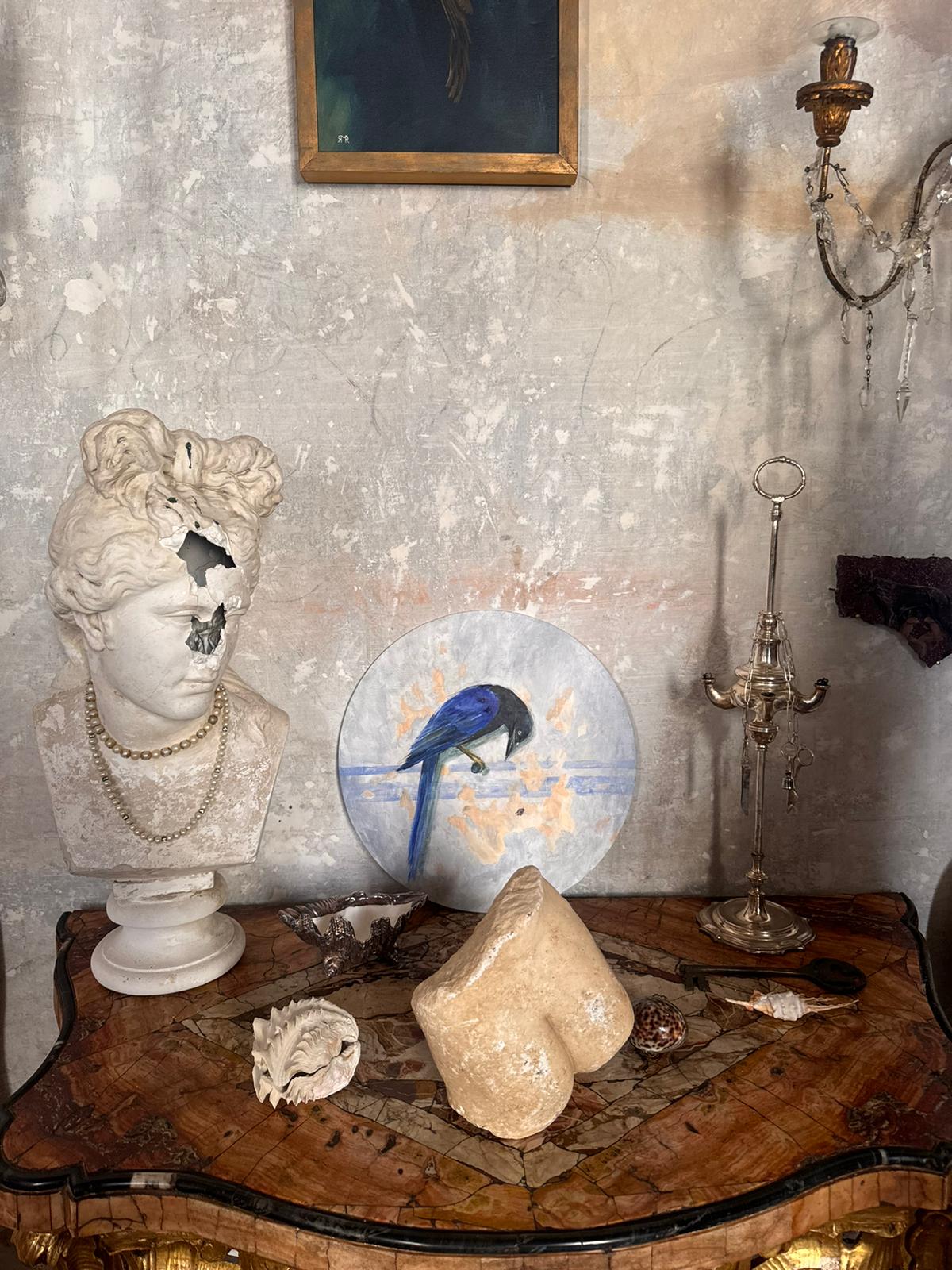
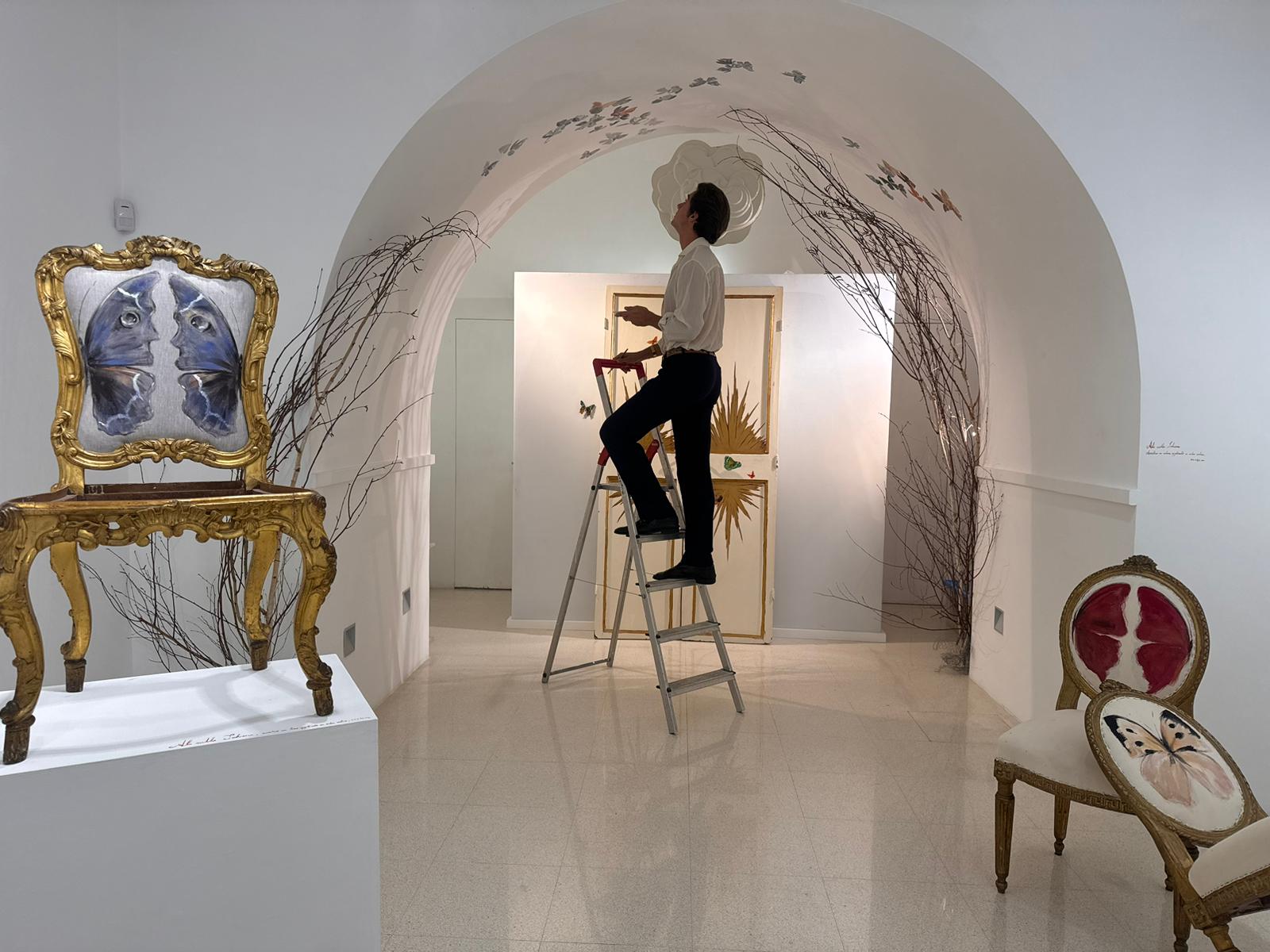
In the historic spaces of the Gallery, on view until October 28, the Roman artist presents a body of work that intertwines painting on canvas with interventions on hourglasses, mirrors, and antique frames, creating a microcosm where nature, memory, and ornament coexist. “Every butterfly is not only an expression of nature’s multifaceted aspects but also of a possible connection between cultures and eras. It reminds us that even the smallest gesture can generate immense consequences,” explains the artist.
The Gallery space thus becomes a visual ecosystem where the artist’s pictorial gesture contaminates and inhabits the reclaimed antique objects, giving life to contemporary relics. Here, alongside the artworks, the public will have the opportunity to witness a performance conceived in situ by the artist, utilizing the trompe-l’œil technique. It is a refined and tangible manifestation that, through three-dimensional perception, captures the concept of the ephemeral, reflected in time and nature. The perspectival illusions traverse landscape vistas, streaked with butterflies chasing each other like fish in running water.
Del Gallo’s creations, much like his performative act, become a poetic documentation of a relic of the instant, of a beauty that exists imperiously despite its transience.
The artist’s language is fresh within the contemporary landscape; the hope is to evoke, in the face of such delicacy, a renewed sense of protection and passion for the environment. It is a style capable of addressing themes related to both cultural and natural conservation, blending the sacred and the profane through a succession of true memento mori. For the spectator, there is no warning regarding the ambush of “an eternal presence of a non-existence,” but rather a celebration of its transience; catching a glimpse of beauty in the beating of wings, right where life is consumed in the very moment it begins.